

 EN
EN
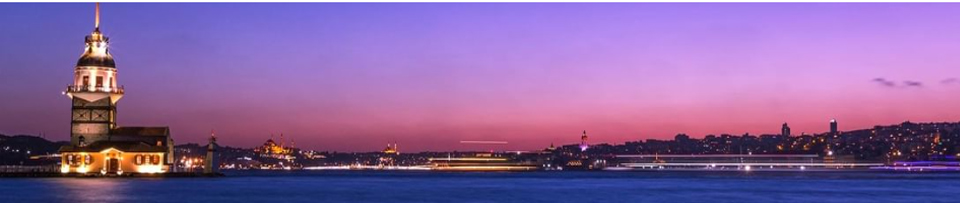
Experience Istanbul at Titanic Business Kartal, located in a region full of historical buildings, food, beverage, entertainment and shopping opportunities. There are many activities to visit, see and do. We have selected the best ones for you below.
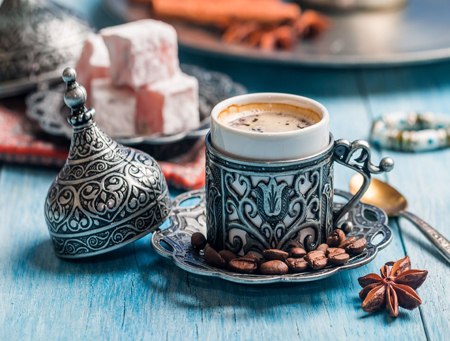
Turkish Coffee
If you are going to drink Turkish coffee; a question comes up first. Plain, medium, sweet? Your
coffee will arrive in its taste and consistency according to your answer. In its special cup, with a
glass of water and a Turkish delight. There are many types of coffee in the world, but what sets
Turkish coffee apart from others is how it is ground, cooked and presented. It is the only type of
coffee served with its grounds.
If you are in Antalya now, sit somewhere with a view, lean back and take a sip of your foamy coffee.
If you think the ceremony is over when your coffee is finished, you are wrong. Turn your cup upside
down immediately, wait for it to cool down and if there is someone who knows how to tell coffee
fortunes, let them tell you what your fortune will be in the next three hours.
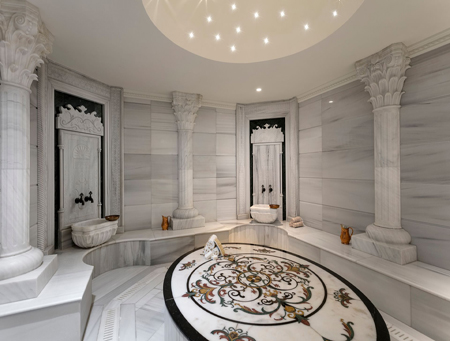
Turkish Bath It is an indispensable pleasure of Anatolian lands with its clogs, belly stones and different atmosphere, where women used to go to socialize, and which was one of the most important rituals of young girls before marriage. Hammam culture is an important part of Turkish culture. There are hammams in Istanbul that carry the tradition of centuries and historical textures to the present day, and invite enthusiasts who want to purify their bodies and souls to this tradition.
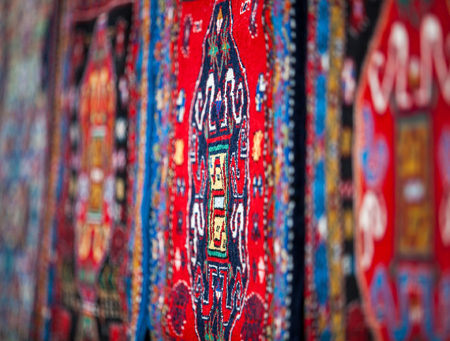
Carpet - Kilim If you see carpets and rugs only as items that complete the decoration of your home, then you are in a big mistake. Carpets and rugs have a special place among Turks. It has been determined that the oldest rug in the world is a Turkish rug from the 5th century BC. Especially handmade carpets reflect the dreams, hopes and feelings of the maker. The carpet grows loop by loop and each loop is a labor of love. You can find the most beautiful and valuable examples of Turkish carpets and rugs, which are known all over the world, in Istanbul, as it is the center of trade in Turkey. One of the most important things you should not forget when buying carpets and rugs is the bargaining element. You can find valuable Turkish carpets especially in the Sultanahmet district, in the Grand Bazaar. If you want to reward yourself by buying a valuable gift from Istanbul; Turkish carpets and rugs are a great alternative.
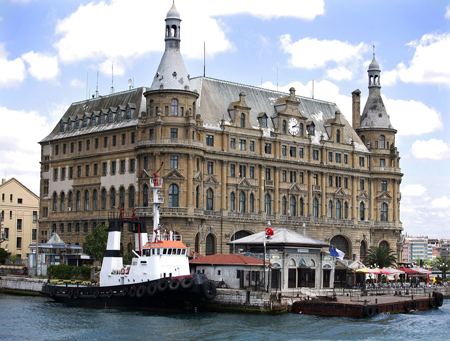
Haydarpasa Train Station Located in Kadıköy on the Anatolian Side, Haydarpasa Train Station was built in 1908 as the beginning of the railway line between Istanbul and Baghdad. The historical structure is one of the symbolic structures that make those passing by on the ferry say this is Istanbul. Haydarpaşa Train Station, where the "Hello to Istanbul" scenes of many Turkish movies were shot, was seriously damaged after a fire in 2010; naturally, it waves a little sadly to those passing by on the ferry.
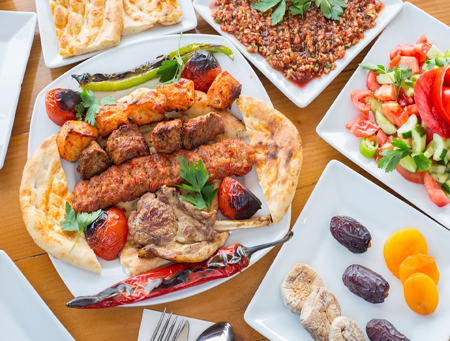
Kebap Kebap is one of the most important values of Turkish food culture. Although Istanbul is not the hometown of kebab, which has a rich range of flavors that vary from the preparation of its meat to the spices added to it, from its sauce to its cooking, you can find many places in Istanbul that are experts and quite ambitious about kebabs. Those who are fond of taste should not leave Istanbul without having a nice kebab feast for lunch or dinner.
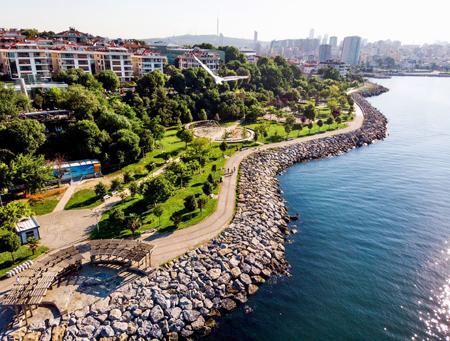
Kadıköy - Moda Kadıköy, considered the central point of the Anatolian Side, is one of the places to visit in Istanbul. The Kadıköy district has quite large borders. Even if you cannot spend a day in Kadıköy, if you spend some time in the center at least, you will not have experienced Istanbul incompletely. The balloons on the beach, the ferries that depart, the crowd flowing by on its own, the street of bars, the nostalgic Moda tram, people chatting and having fun at the tables thrown on the streets, Romani children wandering from table to table with tambourines in their hands, the Moda coast, the pleasure of ice cream from Moda's famous ice cream shops and more are waiting to be experienced in this district, which dates back to 5000-3000 BC.
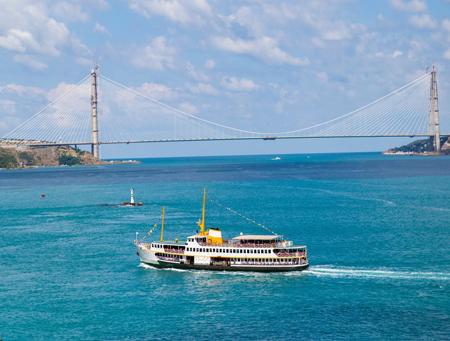
Ferry and Bosphorus Tour Ferry is a part of life in Istanbul. It is a daily pleasure in a city with a coast. If you want to have a short pleasure on the Bosphorus, which is considered one of the natural borders separating the European and Asian continents and is a strategically important and passageway separating Istanbul into Europe and Asia; you can get on one of the city lines ferries, throw simit to the seagulls and experience a different pleasure about Istanbul with a cup of brewed tea. If you do not want this pleasure to last long, take a closer look at the valuable mansions located on the shores of the Bosphorus in the blue waters of the Bosphorus, and experience the city from the sea, then the Bosphorus tours with food and entertainment are just for you. You can experience many emotions at the same time, such as admiration, curiosity and the transition between times, when you sit on a boat and pass by the Maiden's Tower, and be surprised by the grandeur of the Galata Tower when viewed from the front, and when you pass under the Bosphorus bridges connecting the European and Anatolian sides; admiration, curiosity and the transition between times.
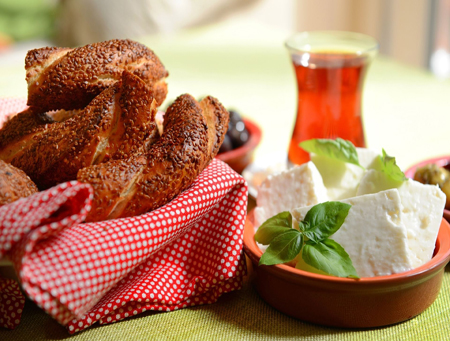
Simit - Tea - Cheese Those who have never tasted a simit may perceive it as a dough covered in sesame; however, simit is an indispensable taste of Turkish culture. Believe me, hot tea with kashar cheese or white cheese, depending on your taste, will taste more delicious than many dishes. The simit, cheese and tea trio is a great snack for breakfast, afternoon tea or when your stomach is buzzing.
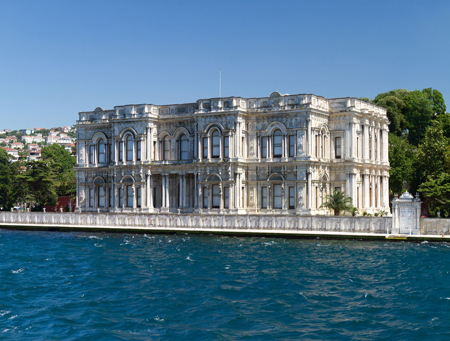
According to the famous traveler İnciyan, Beylerbeyi, which was called the "Gardens of the Cross" during the Byzantine period due to a cross erected by Constantine the Great, was used as one of the private gardens of the sultans during the Ottoman period. Today's Beylerbeyi Palace was built by Sultan Abdülaziz between 1861-1865 by the well-known architect of the period, Sarkis Balyan, after the wooden coastal palace of Mahmud II was demolished. The construction of the palace took 2 years and 5,000 people worked on its construction. It offers services to guests as a museum-palace with cafeterias and sales stands created in its gardens and the historical tunnel.
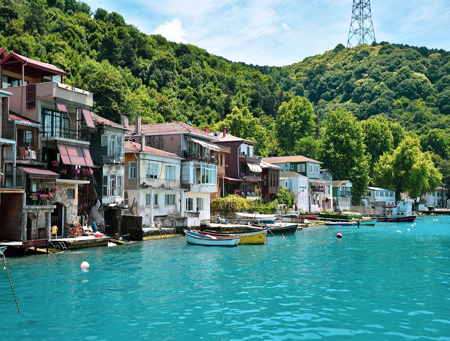
Anadolu Kavağı had great importance in terms of its strategic location in history; because it was established at the key point of the trade route connecting the Black Sea to the Mediterranean. For this reason, it changed hands between the Byzantines, Ottomans and Genoese. Today, Anadolu Kavağı, which is connected to Beykoz, is a touristic place famous mostly for its fishermen and mussels. If you want to be close to nature and take short walks after eating your mussels and fish, visit this small romantic place that defies its history. While you are there, don't forget to see the historically important Yoros Castle and Yuşa Hill, which is flocked by visitors and has been considered sacred since ancient times.
Anadolu Kavağı had great importance in terms of its strategic location in history; because it was established at the key point of the trade route connecting the Black Sea to the Mediterranean. For this reason, it changed hands between the Byzantines, Ottomans and Genoese. Today, Anadolu Kavağı, which is connected to Beykoz, is a touristic place famous mostly for its fishermen and mussels. If you want to be close to nature and take short walks after eating your mussels and fish, visit this small romantic place that defies its history. While you are there, do not forget to see the historically important Yoros Castle and Yuşa Hill, which is flocked by visitors and has been considered sacred since ancient times.
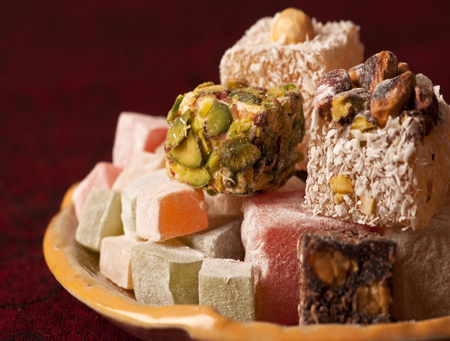
Lokum, a world-famous Turkish flavor, also has a very important place in Turkish traditions. Lokum, which has a place in Turkish hospitality, has been an indispensable part of Anatolia since the 15th century and is served to guests during holidays, is a traditional Turkish dessert. Lokum, whose main ingredients are water, sugar and starch, has maintained its popularity from past to present. There are also varieties such as pistachio, rose, walnut and cocoa. Lokum, which is a wonderful experience for those who taste it for the first time, leaves a pleasant taste in the mouth of those who try it. The fame of lokum has gone beyond the borders of the country. It is also sold in Europe and America and is very popular.
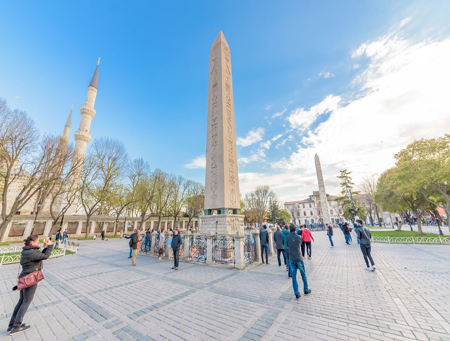
Obelisks were taken from Ancient Egypt to various cities around the world. The obelisk in Istanbul was first erected in 1547 BC in the city of Annu, which the Greeks called Heliopolis, in the name of Pharaoh Thutmose III. Thutmose's victories were written on it in hieroglyphic writing. The stone first caught the attention of the Byzantine Emperor Constantine, who asked the Egyptians to send it to him. The obelisk was erected in the Hippodrome in 390 on the orders of the Byzantine Emperor Theodosius. The reliefs on the base show Theodosius I, his sons, his wife, Arkedios, Honorios and Emperor Valentinianos II. There are also scenes from the Hippodrome and depictions of the erection of the monument.
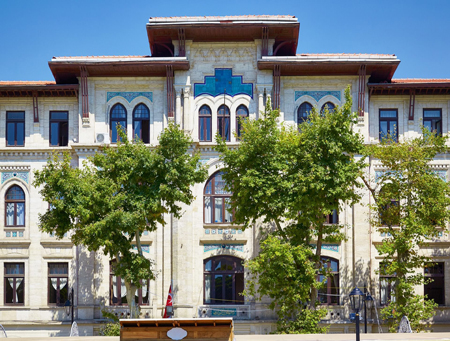
It is the first Turkish museum that covers Turkish and Islamic art works collectively. It was opened to visitors in 1914 under the name "Evkaf-ı İslamiye Museum" (Islamic Foundations Museum) in the soup kitchen building located in the Süleymaniye Mosque complex, one of the most important structures of Mimar Sinan. After the declaration of the Republic, it was renamed "Turkish and Islamic Arts Museum". It was moved to the İbrahim Paşa Palace in 1983. It received the jury special award of the Council of Europe Museum of the Year competition in 1984 and the award given by the Council of Europe - UNESCO in 1985 for its work in making children love cultural heritage. It is among the world's leading museums in its field, and with a collection exceeding 40,000 works, it has distinguished works from almost every period and every type of Islamic art.
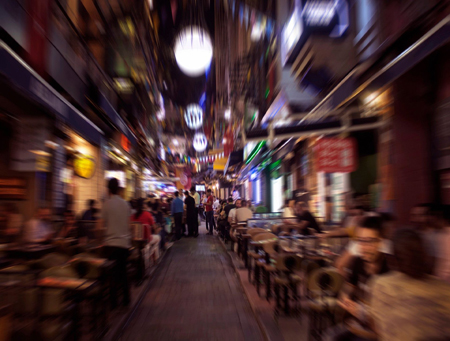
Istanbul is one of the most important and vibrant cities in the world, and as in every way, it is also vibrant with its nightlife... Istanbul nights are inviting... Istanbul nights are magical, mysterious, entertaining... When the city lights come on, you encounter a completely different face of Istanbul. When night falls, only those who want to experience the chatter and entertainment of the nights remain on the streets of Istanbul. As in every subject, you can experience the pleasure of having fun in Istanbul, which offers plenty of alternatives in entertainment life, by drinking raki in a tavern, dancing in a nightclub or choosing a traditional entertainment in a venue with belly dancer shows.
Hagia Sophia Museum Hagia Sophia is one of the most visited museums and most important monuments in the world in terms of art and architectural history. It was also called "the eighth wonder of the world" by Eastern Roman Philon until the 6th century. Today's Hagia Sophia is the third structure built in a different architectural style, although it is located in the same place as the previous two structures.
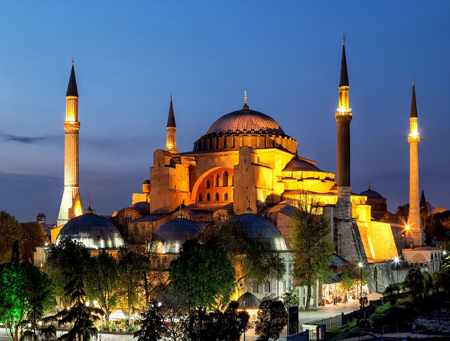
The original structure was built by the most important architects of the period (527-565) Anthemios
of Tralles and Isidoros of Miletus, on the orders of Emperor Justinian. Sources state that during
the construction period, each of the two important architects had 100 architects and 100 workers
working under them. It was used as a church for 916 years, but after the conquest of Istanbul by
Fatih Sultan Mehmed, Hagia Sophia was converted into a mosque. It was later used as a mosque for 482
years. By the order of Atatürk and the decision of the Council of Ministers, Hagia Sophia was
converted into a museum in 1935.
Hagia Sophia is open to visitors every day. Hagia Sophia's winter visiting hours are between
09:00-17:00 and the last entrance is at 16:00. During the summer, visiting hours are between
09:00-19:00 and the last entrance is at 18:00.
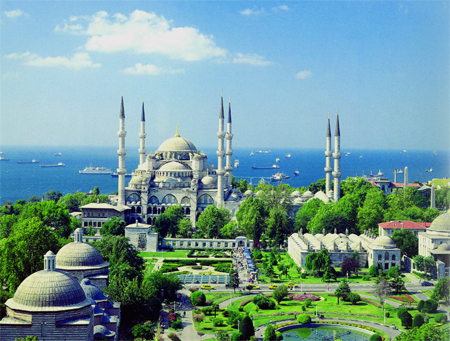
Sultan Ahmed Mosque is a historical mosque located in Istanbul, Turkey. A popular tourist attraction, the Sultan Ahmed Mosque continues to function as a mosque today; men still kneel on the mosque's lush red carpet to pray after the call to prayer. The mosque, popularly known as the Blue Mosque, was built between 1609 and 1616 during the reign of Ahmed I. Its complex includes Ahmed's tomb, a madrasah, and a guesthouse. Hand-painted blue tiles decorate the mosque's interior walls, and at night the mosque is bathed in blue as lights frame the mosque's five main domes, six minarets, and eight secondary domes. The Sultan Ahmed Mosque (Blue Mosque) is still an active mosque and is therefore closed to tourists during prayer times. In general, the Sultanahmet Mosque in Turkey opens daily from 8:30 a.m. to one hour before sunset, except for 90 minutes for each prayer time and two hours during Friday noon prayers.
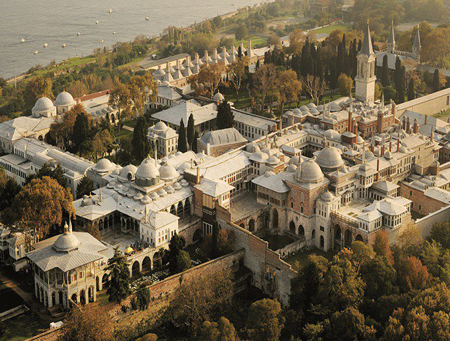
Construction began in 1459, six years after the conquest of Constantinople, on the orders of Mehmed the Conqueror. The complex was expanded over the centuries, with major renovations following the earthquake of 1509 and the fire of 1665. The palace complex consisted of four main courtyards and many smaller buildings. The female members of the sultan's family lived in the harem, and leading state officials, including the Grand Vizier, held meetings in the Imperial Council building. After the 17th century, Topkapi gradually lost its importance. The sultans of that period preferred to spend more time in their new palaces on the Bosphorus. In 1856, Sultan Abdülmecid I decided to move the palace to the newly built Dolmabahçe Palace. Topkapi retained some of its functions, including the imperial treasury, library, and mint. After the end of the Ottoman Empire in 1923, Topkapi was converted into a museum by a government decree dated April 3, 1924. The palace complex contains hundreds of rooms and chambers, but today only the most important are open to the public, including the Ottoman imperial harem and the treasury, known as the treasury, where the Spoonmaker's Diamond and the Topkapi Dagger are exhibited. The museum's collection also includes Ottoman clothing, weapons, armor, miniatures, religious relics, and illuminated manuscripts such as the Topkapi manuscript. The complex is guarded by ministry officials and armed guards from the Turkish army. Topkapi Palace is part of the Historic Areas of Istanbul, a group of sites in Istanbul that were added to the UNESCO World Heritage Site in 1985. The museum is open daily except Tuesdays. Topkapi Palace's winter visiting hours are between 09:00 and 16:45, with the last entrance at 16:00. In the summer months, visiting hours are between 09:00 and 18:45, with the last entrance at 18:00.
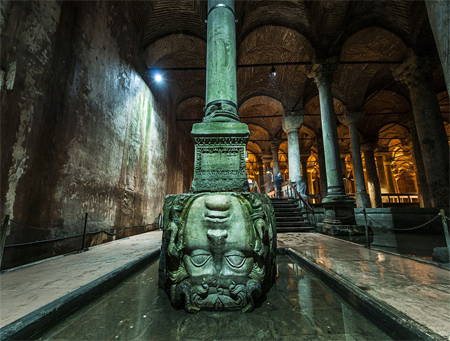
One of the magnificent historical structures of Istanbul is the Basilica Cistern, located southwest of Hagia Sophia. Built by the Byzantine Emperor Justinianus I (527-565), this large underground cistern is popularly known as the "Basilica Palace" due to the marble columns rising from the water and its numerous similarities. It is also known as the Basilica Cistern because there is a Basilica where the cistern is located. The majority of the cistern is cylindrical, except for a few angled and fluted columns. The two Medusa heads used as supports under the two columns at the northwestern end of the cistern are a great work of art from the Roman period. What attracts visitors the most attention is that it is not known from which structure the Medusa heads were taken. Researchers generally think that they were brought to the cistern during its construction to be used as supports for the columns. However, this has not prevented the emergence of myths about the Medusa heads. The museum is open seven days a week. It opens at 13:00 on the first day of religious holidays as an exception.
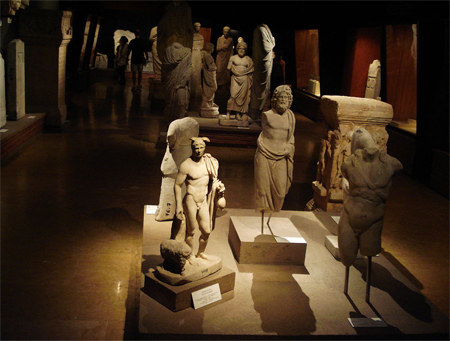
Istanbul Archaeological Museums is one of the most impressive historical venues for your outdoor activities and consists of three main units: Istanbul Archaeological Museums, Ancient Oriental Works Museum and Tiled Kiosk Museum. The Archaeological Museum, which is the first museum in Turkey, hosts more than a million works from various cultures collected from the imperial lands. The Archaeological Museum was founded on June 13, 1891 under the name Müze-i Hümayun (Imperial Museum). It was built by an archaeologist, painter and curator. The museum is open every day except Mondays. The museum's winter visiting hours are between 09.00 - 16.45 and the last entrance is 16.00. During the summer months, visiting hours are from 09:00 to 18:45, with last entry at 18:00.
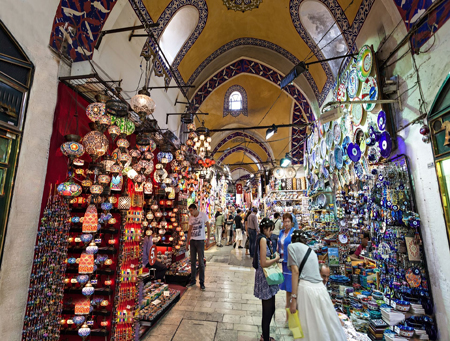
The Grand Bazaar in Istanbul is one of the largest and oldest covered bazaars in the world, with 61 covered streets and over 4,000 shops, and attracts between 250,000 and 400,000 visitors daily. In 2014, it ranked number 1 among the world's most visited tourist attractions, with 91,250,000 visitors annually. The Grand Bazaar in Istanbul is often considered one of the world's first shopping malls. Every day except Sundays and official or religious holidays 09:00 - 19:00
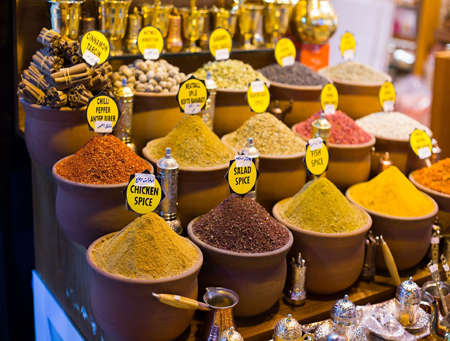
The Egyptian Bazaar in Turkey is one of the largest bazaars in the city. Located in the Eminönü district of Fatih, it is the most famous indoor shopping complex after the Grand Bazaar. There are several documents that suggest that the bazaar was originally called "New Bazaar". The building was donated to the foundation of the New Mosque and was built in 1660 with revenues from the Ottoman province of Egypt, so it was called "Egyptian Bazaar" (Turkish: Mısır Çarşısı). The word "Egypt" has two meanings in Turkish: "corn" and "millet". For this reason, its name is sometimes incorrectly translated as "Egyptian Bazaar". The bazaar was (and still is) the center of the spice trade in Istanbul, but in recent years, spice shops have increasingly been replaced by other types of shops. The building itself is part of the complex of the New Mosque. The income from the shops rented inside the bazaar building was used to maintain the mosque. The Egyptian Bazaar is open daily
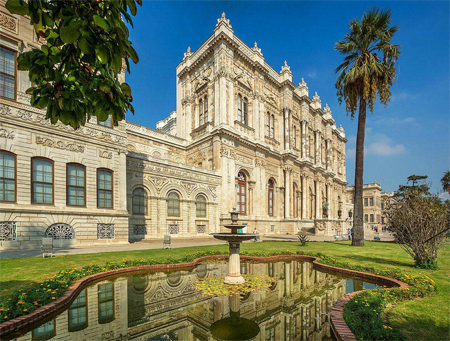
Dolmabahçe Palace was commissioned by the 31st Sultan of the Empire, Abdülmecid I, and was built between 1843 and 1856. Previously, the Sultan and his family lived in Topkapı Palace, but since the medieval Topkapı lacked contemporary style, luxury and comfort compared to the palaces of European monarchs, Abdülmecid decided to build a new and modern palace near the old Beşiktaş Coastal Palace, which had been demolished. The palace hosted six sultans from its first inhabitation in 1856 until the abolition of the Caliphate in 1924: the last royal to live here was Caliph Abdülmecid Efendi. A law enacted on March 3, 1924 transferred the palace's ownership to the national heritage of the new Republic of Turkey. The founder of the Republic of Turkey and its first President, Mustafa Kemal Atatürk, used the palace as a presidential residence during the summers and created some of his most important works here. Atatürk spent the last days of his medical treatment in this palace and died there on November 10, 1938. The museum is open every day except Mondays from 09:00 to 16:00. Exceptionally, it opens at 13:00 on the first day of religious holidays.
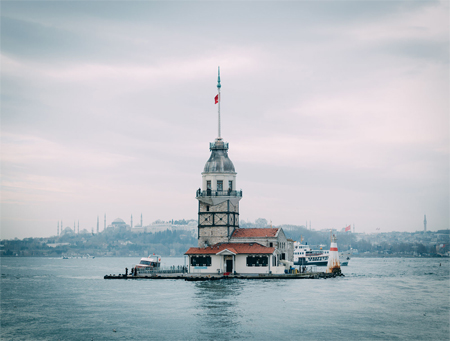
The Maiden's Tower is located 150-200 meters off the coast of the Salacak district of Üsküdar. It is not known exactly when the Maiden's Tower was built, but some sources say that the architectural style of the tower dates back to around 340 BC. The previous names of the Maiden's Tower were Damalis and Leandros. Damalis was the name of the wife of the Athenian king Kharis. When Damalis died, she was buried on the shore and the Tower was named Damalis. During the Byzantine period, it was also known as "arcla", meaning "small castle". Over time, the Maiden's Tower was used for many different purposes, including a merchant's tax collection area, a defense tower and a lighthouse. After being faithfully restored in 2000, the Maiden's Tower was opened as a popular cafe and restaurant with excellent views of the ancient Roman, Byzantine and Ottoman capital. Private boats operate several times a day to the tower. The Maiden's Tower is open every day between 09:00-00:30
The tower was built in the 14th century by the Genoese, who were semi-independent of the Byzantines. It was part of their fortifications. The tower was used as a prison and fire tower during the Ottoman period. The nine-story tower is 66.90 meters high and was the tallest structure in the city at the time of its construction. Its height from ground level is 35 meters above sea level. According to Ottoman historian and traveler Evliya Çelebi, Hezarfen Ahmet Çelebi flew from the tower to Üsküdar using artificial wings as an early aviator. The Sultan at the time initially taught him to reward him, but then changed his mind and exiled him to Algeria. Today, there is a 360-degree view of the city from the observatory deck, from where you can observe the monuments located on the seven hills of the historical peninsula. (Constantinople, like Rome, was built on the seven hills of the historical peninsula.) The tower is open seven days a week from 09:00 to 19:00.
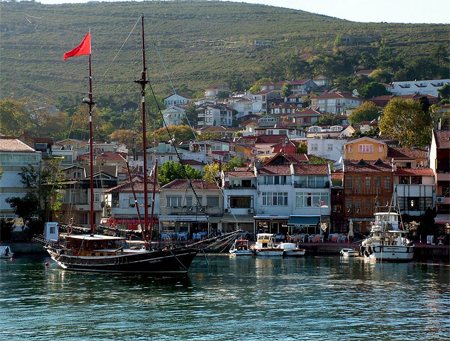
The Princes Islands consist of nine islands located in the Sea of Marmara, off the Asian coast of Istanbul. There are regular passenger ferries and fast passenger ferries (sea buses) from the Kabataş and Bostancı districts to the four islands. Motor vehicles are not allowed on the islands, except those belonging to the local municipality, so people go on foot or by bicycle or horse-drawn carriages, or even by renting donkeys. These are beautiful little islands where locals have summer houses or go for small beaches and picnics or just to wander around on the weekends. These four islands are generally known as Adalar (Islands) in Turkish and their names are Büyükada, Heybeliada, Burgazada and Kınalıada. There is also Sedefadası, which is not as popular as the others and has a very small settlement on it. Hayırsızada, Sivriada and Yassıada are uninhabited and Kaşıkada is a special island. The name of the islands comes from the Byzantine period when princes and empresses were exiled. However, during the Ottoman period, especially around the 19th century, with the use of steamships, these islands became a popular holiday destination for the wealthy of Istanbul, who built wooden houses. Jewish, Greek and Armenian communities made up a large part of the islands' inhabitants. Today, the islands are popular tourist destinations for day trips, especially in the summer months. The islands have old wooden mansions in the Victorian style, as well as many monasteries and historical buildings.
